

Grief Counseling & Trauma Therapy in Massachusetts
At JABA Healthcare, we believe that healing, growing, and connecting with yourself shouldn't be a privilege. We bring mental health services to everyone who's ready to take the first step.
What we offer
-
Whether you're navigating the recent loss of a loved one, complicated grief that hasn't eased with time, or grief tied to a relationship, identity, or life transition, we're here to help you process it at your own pace. Grief counseling with JABA Healthcare offers a space to feel what you're feeling without judgment, while building tools to carry that loss forward in a way that allows for healing and growth.
We work with clients experiencing:
Loss of a loved one
Complicated or prolonged grief
Grief following relationship loss or divorce
Anticipatory grief (grief before a loss occurs)
Life transitions that bring up grief (career change, illness, becoming a caregiver)
-
TF-CBT is an evidence-based therapy approach designed to help both children and adults process traumatic experiences and reduce the symptoms that come with them, like anxiety, flashbacks, avoidance, and difficulty trusting others. This approach combines trauma-sensitive support with practical coping skills, helping you understand your reactions to trauma and gradually process what happened in a safe, structured way.
TF-CBT can help with:
PTSD and trauma-related symptoms
Childhood trauma (pediatric and adult clients)
Abuse or neglect history
Accidents, medical trauma, or sudden loss
Difficulty regulating emotions after a traumatic event
-
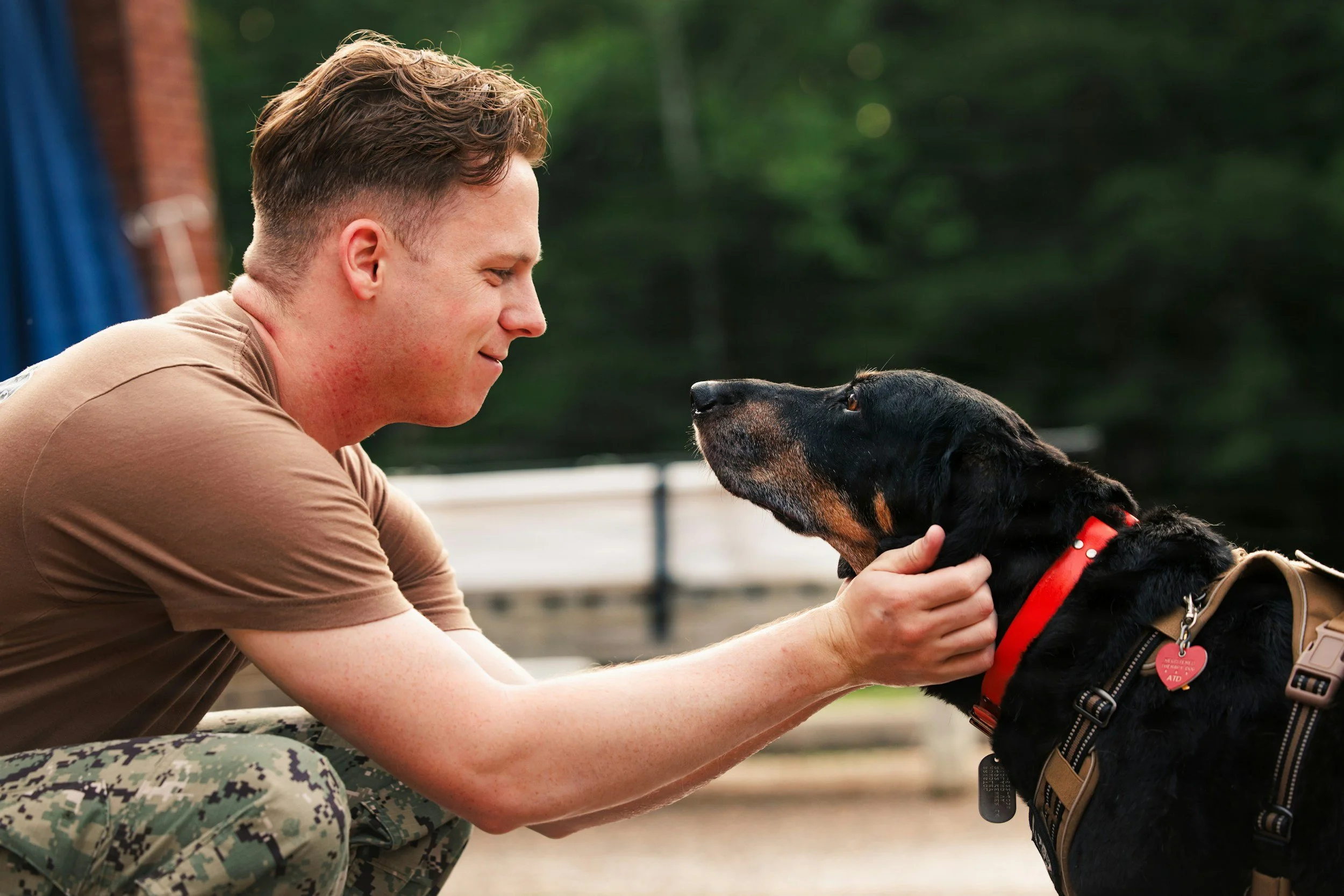
First responders carry a weight that's often invisible to the people around them. Whether you're a police officer, firefighter, EMT, dispatcher, nurse, or work in another high-stress, high-exposure role, repeated exposure to others' pain and crisis can take a toll. This is sometimes called vicarious trauma or compassion fatigue, and it's real, valid, and treatable.
We offer a space specifically for first responders and helping professionals to process what they carry on the job, without needing to explain or justify why it's hard. This includes support for:
Vicarious trauma / secondary traumatic stress
Compassion fatigue and burnout
PTSD related to on-the-job incidents
Difficulty "switching off" after shifts
Strained relationships due to job stress
-
This service is exclusively for Master's level clinicians who are looking to complete the supervision hours required for licensure, as well as licensed clinicians seeking additional support.
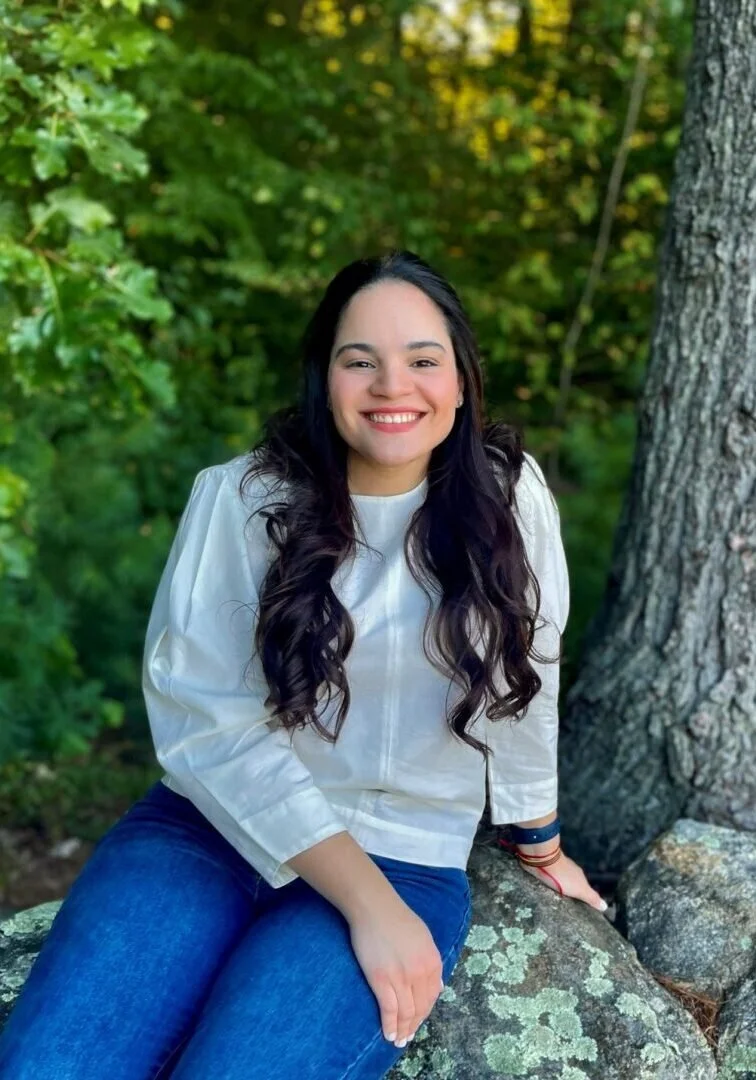
I don't believe healing looks the same for everyone. Over the past 7 years in community mental health, hospitals, and group practice, I've trained in TF-CBT, CBT, DBT, and mindfulness-based approaches. Across every setting, one thing has stayed true: people heal when they feel truly seen. I'm bilingual, and I meet clients in whichever language feels most like home, Spanish or English, because it's easier to open up when you're not translating your feelings first. Grief and complicated grief are close to my heart. I don't see grief as something to "get over," but something to move through, in your own time. Using approaches like TF-CBT, I help clients process loss and trauma that can feel too heavy to carry alone. I've also spent much of my career supporting clients with vicarious trauma, and I have a soft spot for first responders — people who spend their days showing up for others in crisis, and rarely get asked how they're doing. I try to be that space, no judgment needed.
My approach is never one-size-fits-all. It's your story, your pace, your healing — I'm just here to walk alongside you.
Maria Rios Brache, LMHC License #13338